
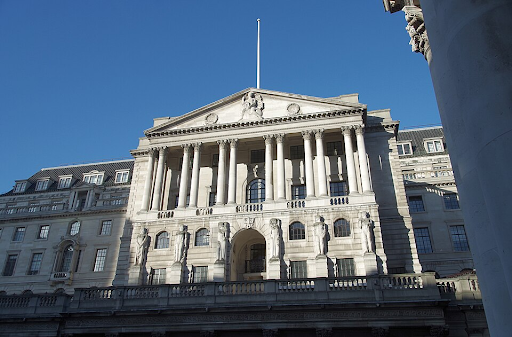
The Bank of England’s rate cut to 3.75% provides domestic relief, but it hasn’t silenced international concerns about the UK economy. Global financial watchdogs, including the International Monetary Fund (IMF), have cast a shadow over the announcement by predicting that the UK will suffer the highest inflation rates in the G7 for the next two years.
This disparity puts the Bank of England in a difficult position compared to its counterparts in the US and Europe. While other central banks might be able to cut rates aggressively, the UK has to tread more carefully. The “sticky” nature of British inflation, particularly in the service sector, means that the UK is recovering slower than major competitors like France or Germany.
The reasons for this are complex, ranging from post-Brexit trade friction to unique labor market shortages. The Bank’s decision to cut rates despite these warnings suggests they are prioritizing immediate growth over long-term inflation purity. However, the external members of the MPC who backed the cut argued that the UK’s specific risk of an “economic downturn” required urgent action, regardless of global comparisons.
For British businesses trading internationally, this is a headache. Higher domestic inflation erodes competitiveness, while high interest rates (relative to peers) can strengthen the pound, hurting exports. The 3.75% rate is a compromise, but it leaves the UK as an economic outlier in the G7 club.
As 2026 dawns, the government will be desperate to shake off this “highest inflation” tag. If the IMF’s predictions hold true, UK households will continue to feel poorer than their neighbors across the channel, dampening the celebratory mood of the rate cut. The Bank’s job is far from done; it is merely managing a decline in pressure rather than solving the structural issues.