
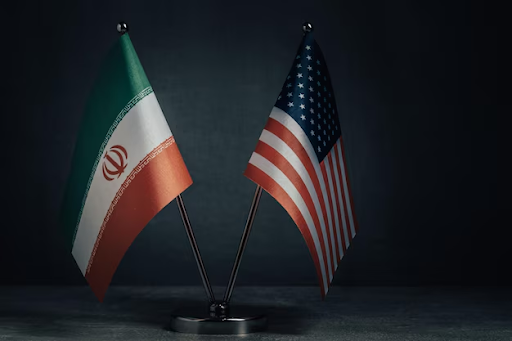
Even as diplomats talked in Geneva, Iran announced that portions of the Strait of Hormuz would be temporarily closed for naval exercises — a pointed reminder of the geographic leverage Tehran holds over global energy markets. A full closure of the strait, through which a significant share of the world’s oil passes, would cause immediate and severe disruption to international shipping.
The announcement came the same day that Iran and the United States held their second round of indirect nuclear talks in Switzerland, mediated by Oman. Iran’s foreign minister described the session as “more constructive” than the February 6 first round and said both sides had reached agreement on general guiding principles. A further meeting is expected in two weeks.
The Hormuz announcement was not framed as a negotiating threat but as a routine military exercise — yet the timing made its message unmistakable. Iran possesses the ability to inflict enormous economic pain on the global economy, and that capability is always present in the background of nuclear negotiations, whether explicitly invoked or not.
Supreme Leader Khamenei added to the atmosphere of veiled warning by noting that US warships in the region were vulnerable to Iranian weapons. He insisted that any deal Iran accepted must not be a “foolish” pre-determined one — language that signals his government will not capitulate to maximum-pressure demands regardless of military posture.
The interplay between military positioning and diplomatic engagement is a defining feature of these negotiations. Both sides are attempting to signal strength while keeping the door to a deal open — a high-wire act that requires careful calibration and leaves little room for miscalculation.